Golang: A Modern Display Font for Handmade Labels, Invitations & Creative Packaging
As I sat down to design a set of candle labels for my latest seasonal line, I knew the font had to match the warm, earthy tones and natural scents of the product. I opened my design software, scrolled through my font library, and landed on Golang. The moment I typed “Lavender Fields” in that clean, modern brushed display font, I knew it was perfect. Golang brought a subtle elegance and contemporary flair that elevated the entire look of the label.
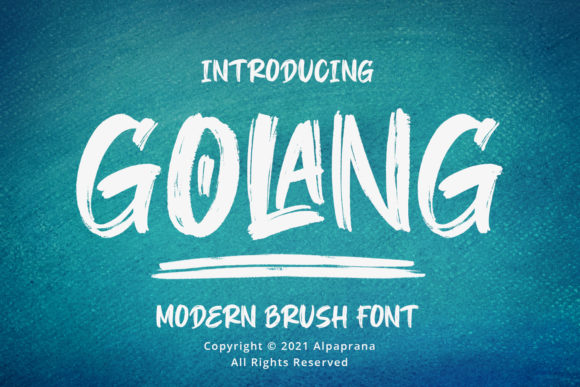
Golang is more than just a font—it’s a creative tool for makers and sellers who want to bring a touch of modern sophistication to their handmade products. Its brushed texture and clean lines make it feel both handcrafted and polished, giving your designs a unique visual personality. Whether you're creating greeting cards, boutique tags, or digital printables, Golang adds a modern typographic charm that stands out without overwhelming the design.
Designing with Golang: From Candle Labels to Wedding Invitations
I first used Golang on a set of candle labels for a small batch of soy candles. The font’s light texture and modern brush style complemented the minimalist packaging and gave the product a boutique feel. When I printed the labels on kraft paper, the font’s soft edges blended beautifully with the organic texture, making the whole design feel cohesive and intentional.
Later, I tried Golang on a wedding invitation mockup. I used it for the couple’s names, and the font’s clean yet artistic look added a contemporary twist to the classic stationery layout. Paired with a simple serif font for the body text, Golang gave the design a balanced, stylish appeal that felt both modern and romantic. It’s perfect for event stationery like welcome boards, seating charts, and thank-you cards.
Perfect for Product Branding and Seasonal Crafts
Golang shines when used in product branding and packaging design. I recently created a line of holiday gift tags and used Golang for the names of each gift type—“For You,” “To My Heart,” and “Joyful Wishes.” The font’s brushed strokes gave the tags a warm, personal touch that felt handmade and heartfelt. Whether printed on cardstock or cut with a Cricut machine for stickers, Golang maintained its clarity and character.
For seasonal products like autumn wreath signs or spring greeting cards, Golang brings a fresh and modern aesthetic. I used it on a farmhouse-style wall art design with the phrase “Welcome Home,” and the result was both stylish and inviting. The font’s versatility makes it a great choice for boutique owners, print-on-demand sellers, and Etsy crafters who want to maintain a consistent brand voice across different product types.
Readability and Design Tips for Makers
When working with Golang, it’s best suited for short phrases, titles, names, and decorative text rather than long paragraphs. Its display font nature means it’s most effective when used for visual impact rather than body copy. For example, using Golang on a mug design for the word “Bloom” looks stunning, but using it for a longer quote might reduce legibility, especially on smaller surfaces.
If you're using Golang with a cutting machine like a Silhouette or Cricut, make sure to test the font at different sizes before final production. At very small sizes, some of the brush details may not cut clearly, so it’s best to use it for medium to large text elements like greeting card titles or tote bag slogans. When designing digital mockups or listing images, always preview how Golang appears on screen versus how it prints to ensure consistency.
Font Pairing Ideas for Creative Sellers
One of Golang’s strengths is how well it pairs with other fonts. For a balanced design, I often pair it with a clean sans serif like Montserrat or Lato for supporting text. This combination works beautifully on planner pages, where Golang is used for headers and a simple sans serif handles the daily layouts. If you’re going for a more whimsical or handwritten feel, pairing Golang with a script font like Pacifico or Allura adds a soft contrast that’s perfect for wedding invitations or boutique packaging.
For bold branding or product tags, I’ve also paired Golang with a strong display serif or a geometric sans serif to create a dynamic visual hierarchy. The key is to let Golang be the focal point while supporting fonts provide structure and clarity. This approach works especially well in digital downloads, where font pairing can enhance the overall design without cluttering the layout.
What to Know Before Using Golang in Your Shop
Before using Golang in your handmade or digital products, it’s important to check the font license. Golang is typically available with a commercial license, which allows you to use it in physical products, digital printables, SVG designs, and templates for resale. However, always verify that the license includes commercial use and supports the types of products you sell—whether it’s stickers, t-shirts, mugs, or Canva templates.
Also, be sure to explore the full character set and any alternate glyphs, ligatures, or swashes included with the font. Some versions of Golang may offer stylistic alternates that give you more design flexibility. If you're creating multilingual products, check whether the font supports extended Latin characters, which is especially useful for sellers with international customers.